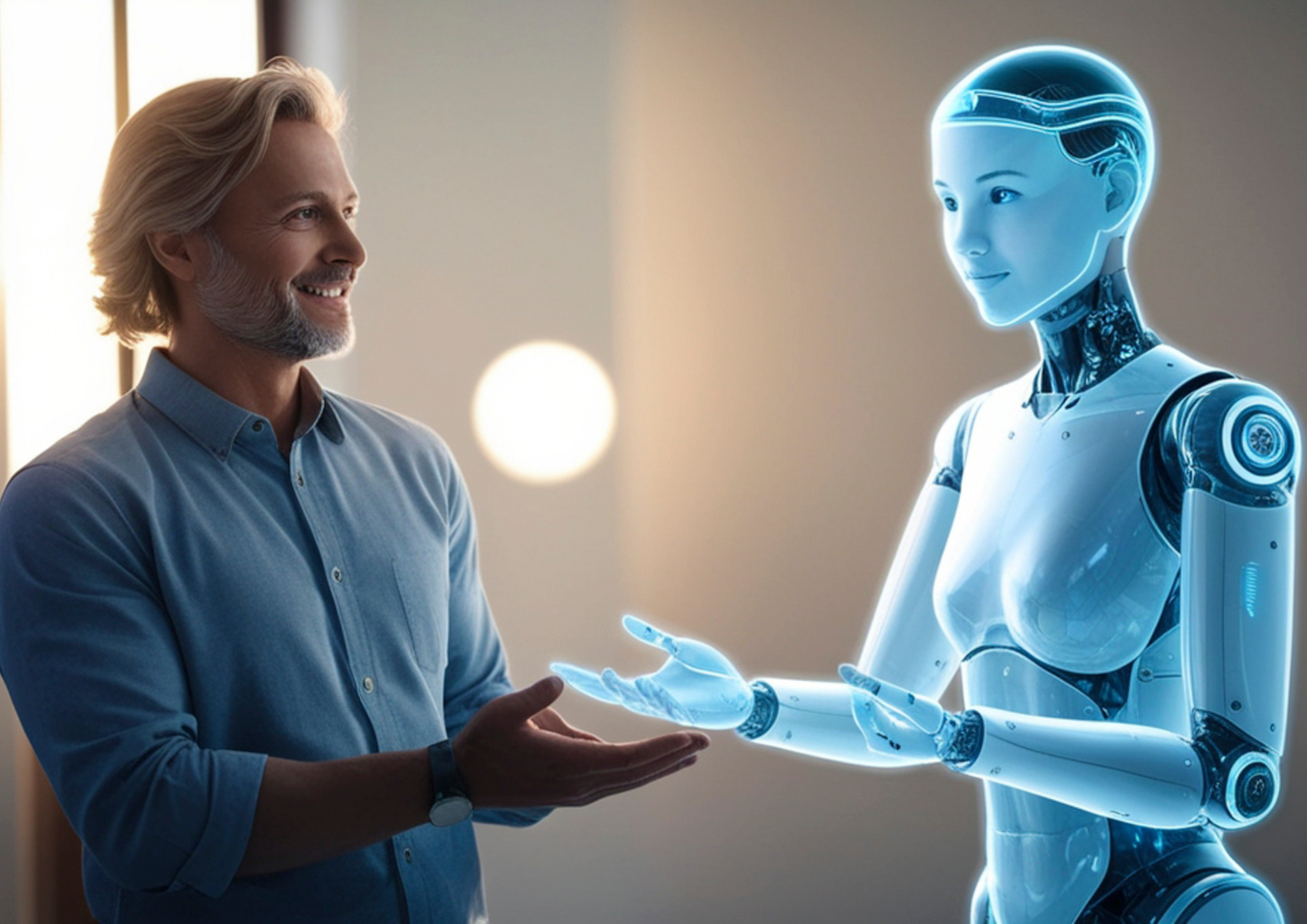
Artificial intelligence is everywhere. It writes texts, creates images, composes music, analyzes data, and delivers results in seconds that once took humans hours to produce. At this point, one question is becoming impossible to ignore: is AI competing with human creativity?
At first glance, it certainly looks that way. AI can combine ideas, imitate styles, and produce outputs that appear creative. But a closer look reveals a crucial difference.
AI excels at repetition, combination, and optimization. It works with existing data, patterns, and content, rearranging what already exists into new forms. This is highly efficient and often impressive, but it always stays within the boundaries of what it has been trained on. AI has no lived experience, no emotions, and no understanding beyond the data it processes.
Human creativity works differently. It grows out of experience, uncertainty, intuition, failure, and personal perspective. Creative ideas often emerge where there are no clear rules, where people question, break, and reshape existing structures, sometimes without knowing whether the outcome will work at all.
This is why creativity is rarely linear. It is messy, contradictory, and inefficient. And that is precisely what makes it valuable. Humans create not because something is logical, but because it feels meaningful or because they want to express something that cannot be calculated.
The real strength, therefore, does not lie in competition, but in collaboration. AI can support creative processes, speed them up, and provide structure. It can offer inspiration, handle repetitive tasks, and free up mental space. But direction, intention, and meaning still come from humans.
Seeing AI as a replacement for creativity misses the point. Seeing it as a tool expands what creativity can become.
In the end, one thing is clear:
AI can appear creative. But true creativity is born where humans think, feel, doubt, and choose. And that is something no machine can replace.